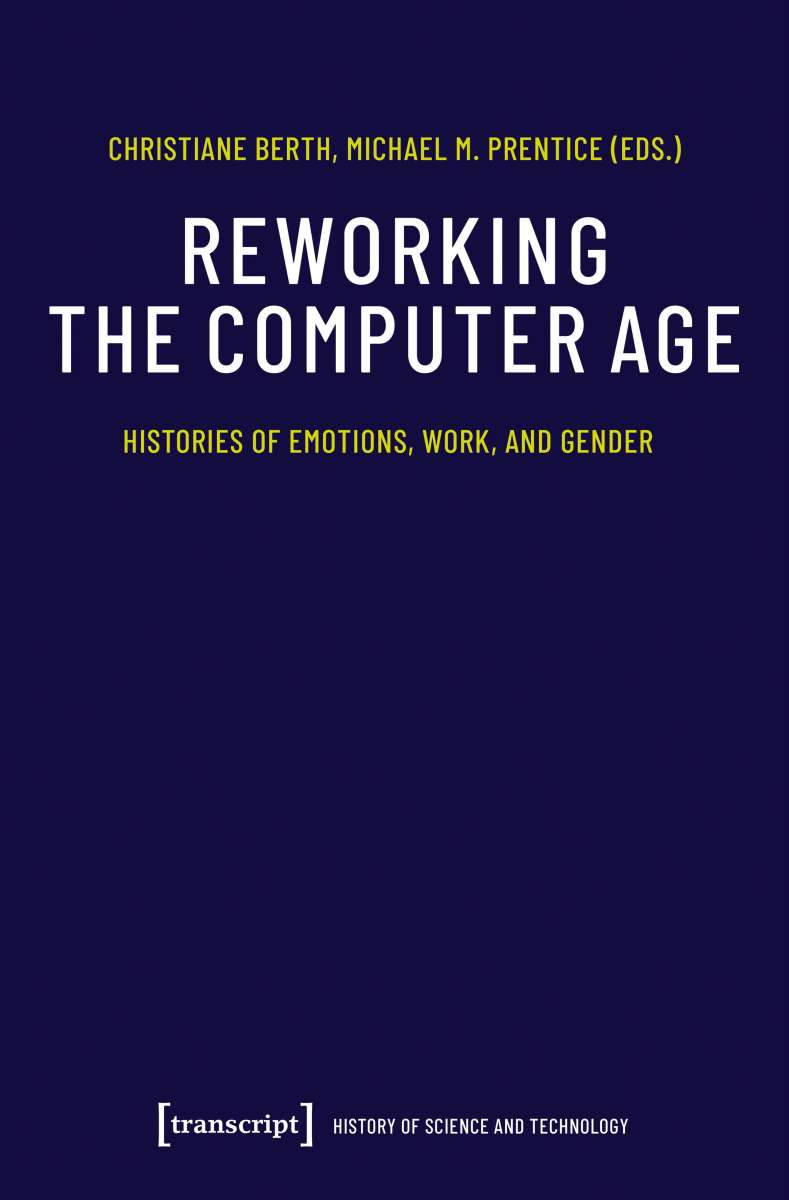
Changing global working environments
Global workplaces in transition: The history of technology, gender and emotions since the 1960s
Graz Senior Fellow: Univ.-Prof. Dr. Christiane Berth, Institute of History
Junior Fellow: Nina Jahrbacher
Incoming Senior Fellow:
Prof.in Dr.in Martina Heßler, TU Darmstadt
Monika Arnez, Placký Universität in Olomouc
Mike Prentice PhD, Sheffield University
Incoming Junior Fellows: Dr.inHelen Glew
Project duration: February 2022- April 2025
Symposium: July2024
Project Description:
The early 21st century saw the beginning of a lively ‒ often quite emotional debate ‒ about the future of work. For decades, digital technology has shaped workplaces around the globe and has repeatedly triggered fears of job losses. During the COVID-19 pandemic, the use of digital technology reached new heights and with it the tendency to make work more flexible and remove boundaries.
This research project examines the change in global working environments from a historical perspective. It analyses how the relationship between digital technology, gender relations and emotions has changed in various fields of work, including office work, industrial manufacturing and agricultural production. Such a comparative view of developments in Europe, Southeast Asia and Latin America enables statements to be made about different timelines, global inequality in access to technology and the diverse formation of gender roles.
The fellows work on three central questions:
- What emotional reactions did the introduction of digital technology evoke? What cultural differences existed?
- How did emotional debates affect technology use in the workplace?
- How did the introduction of digital technology affect gender relations in the workplace?